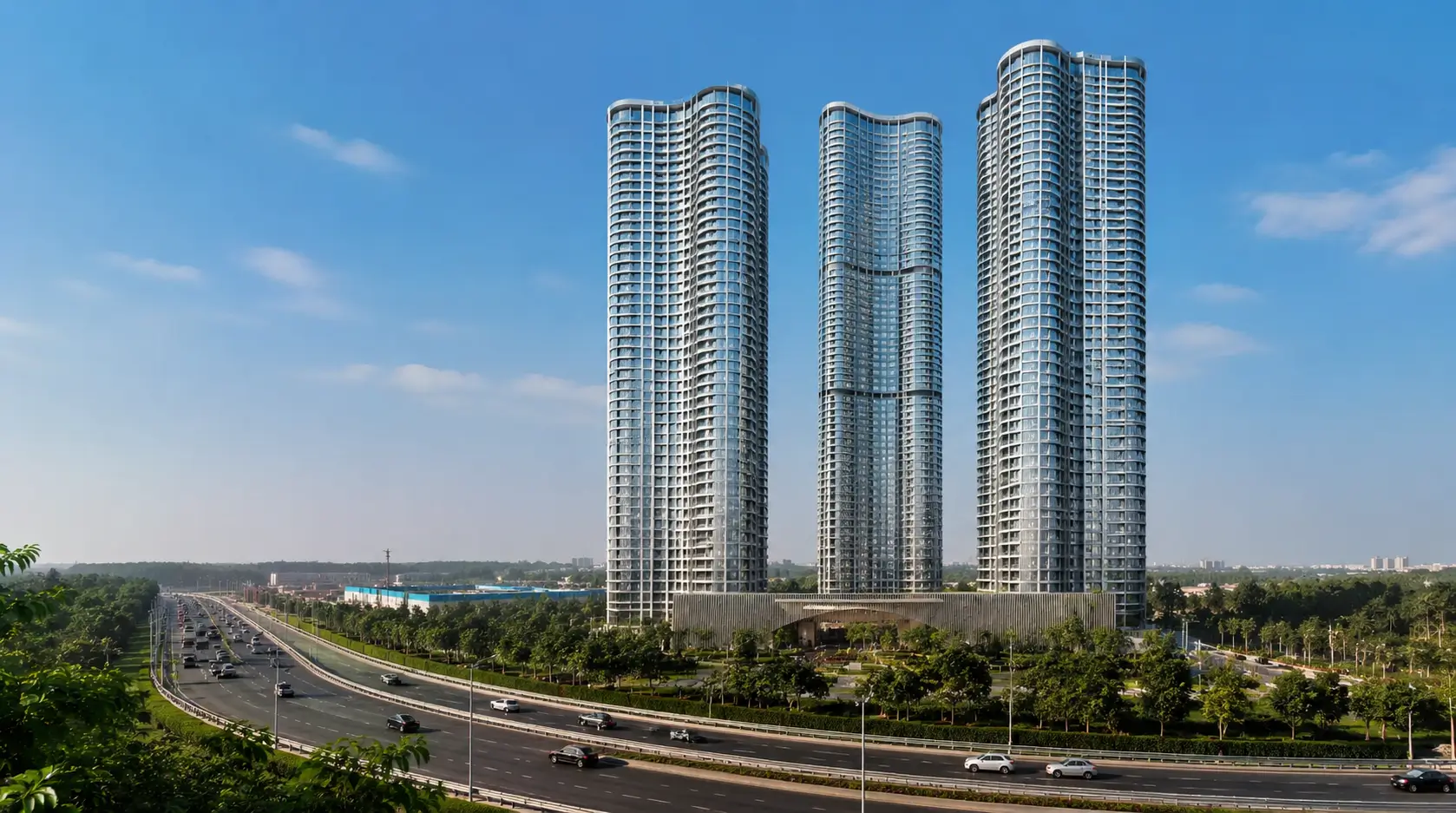
The phenomenal development of luxury housing zones shows a major market movement toward self-sustained community spaces. In evaluating the commercial sustainability of premium estate holdings, navigating the critical balance between physical connectivity, layout intelligence, and construction transparency remains absolutely non-negotiable. #link# serves as an active reference point for analyzing how localized infrastructure pushes organic demand. To safely navigate through diverse pre-launch real estate options, astute investors look past superficial cosmetic finishes to review foundational engineering benchmarks, spatial efficiency metrics, and land titles.
Investigating Micro-Market Connectivity and Tech-Hub Commute Paths
The implementation of grand state-sponsored infrastructure assets, transforms agricultural or secondary land parcels into high-value commercial zones. Modern suburban growth matrices consistently reveal that commercial infrastructure investments directly determines the velocity of premium residential sales over a multi-year period. If a gated luxury enclave offers direct, signal-free access to major information technology developments and business parks, property values experience structural upward adjustments as soon as the project approaches its final delivery phases. Moreover, the continuous improvement of localized social infrastructure, premium entertainment malls, and retail avenues eliminates the traditional lifestyle friction commonly associated with transitioning to newly developing suburban sectors. Investors tracking these specific geographic variables can systematically eliminate location-based investment risks.
Premium Interior Material Specifications and Low-Density Spatial Philosophy
The structural lifespan and physical durability of modern high-rise buildings is highly optimized when Tier-1 construction organizations adopt global building practices. Utilizing monolithic concrete pouring techniques instead of traditional clay block wall assemblies guarantees that the building structure safely outlasts conventional real estate constructions by several decades. To justify a premium luxury market positioning, the physical finishes inside each residential unit are designed with optimal acoustic management, check here natural daylight maximization, and highly efficient zero-waste layout floor plans. Concurrently, premium residential buyers are rejecting crowded, high-density residential layouts in favor of expansive estates. By dedicating over 65 to 85 percent of the total available acreage to landscaped gardens and biophilic reserves, the developer creates a rare, elite living environment that preserves long-term community exclusivity. Reviewing these exact spatial configurations allows buyers to verify actual carpet area efficiency numbers.
Financial Strategy, Rental Yield Matrix, and Regulatory Compliance Frameworks
For astute high-net-worth individuals evaluating long-term capital allocation options, capturing early-stage pre-launch inventory from a reputed multi-state developer minimizes capital entry risk. Entering a tier-1 development phase before the public distribution of marketing brochures optimizes the overall return on investment by reducing immediate cash-flow outlays during early engineering stages. Backed by elite corporate property management wings and global hospitality services, ongoing rental performance translates into rapid asset amortization, allowing real estate portfolios to expand into self-sustaining investment channels. Despite these exceptional returns, investors must strictly prioritize legal transparency and verification protocols. Ensuring the project holds absolute clear land titles, comprehensive environmental clearance certificates, and development approvals ensures that the property asset remains entirely free from future litigation risks or ownership contestations.
Analyzing the Tangible Value of Integrated Social Infrastructure and Hospitality
The baseline requirements for elite residential assets have fundamentally expanded into the surrounding community space. The seamless integration of state-of-the-art smart-home technology, allows residents to effortlessly manage spatial lighting, interior climate settings, and visitor tracking protocols. This physical design transition is heavily backed by the development of massive multi-level lifestyle clubhouses. Integrating advanced co-working business lounges, private mini-theaters, and multi-cuisine restaurant facilities, modern townships match the precise lifestyle demands of C-suite executives and business leaders. In addition to this, implementing zero-waste rainwater harvesting models and sustainable solar energy networks guarantees that the entire township remains completely sustainable and eco-friendly for decades to come.
Final Synthesis on High-Yield Residential Property Selection Matrices
Ultimately, the selection of an elite real estate asset must extend far past superficial visual marketing: strict legal title validation, biophilic design preservation, and developer delivery track records. Through a disciplined process of examining payment schedules, verifying infrastructure commitments, and conducting physical site visits, will successfully future-proof their capital holdings against urban congestion and economic adjustments. Driven by ongoing airport corridor development and extensive corporate office space absorption, early buyers who locked in initial entry pricing will enjoy exceptional capital leverage and rent premiums.